A $200 handmade planter can still turn into a tiny swamp if the setup is wrong. So, do pots drain? Some do. Some absolutely do not. And whether that is a problem depends less on the pot's looks and more on what you are planting, how you water, and whether you understand the difference between a drainage hole and actual drainage.
For cactus people, succulent collectors, bonsai obsessives, and anyone with a plant shelf that has become a lifestyle choice, this stuff matters. Roots need air as much as they need water. Give them wet soil with nowhere for excess moisture to go, and even the best-looking plant can get soft, sad, and expensive fast.
Do Pots Drain If They Have a Hole?
A drainage hole gives extra water a route out of the pot. That is the basic job. When you water thoroughly, moisture moves through the soil, carries away some accumulated mineral salts, and exits through the bottom rather than sitting around the roots.
But a hole is not a magic spell. A pot only drains well when the soil can release water, the hole is open, and the pot is not sitting in a saucer full of runoff for days. Dense soil can hold too much water even in a pot with a generous drain hole. A tiny hole can clog with roots or compacted mix. And a saucer that stays full effectively turns your drainage setup into a root-level foot bath.
For most houseplants, a pot with at least one open drainage hole is the low-drama choice. For cacti, succulents, euphorbias, and many bonsai, it is close to non-negotiable. These plants may tolerate a missed watering. They are far less forgiving about constantly wet roots.
Handmade pots add one important wrinkle: no two are exactly alike. Hole placement, hole size, clay thickness, and glaze coverage can vary by maker and firing. That is part of the charm. It also means you should check the actual vessel before assigning it a thirsty fern or a real prick of a cactus.
The hole is only half the system
Think of drainage as a team effort between the pot, the soil, and your watering habits. Chunky cactus mix in a pot with a clear hole dries very differently from peat-heavy soil in a deep ceramic vessel. A shallow bowl also dries differently from a tall cylinder, even when both have holes.
Pot material affects the pace, too. Unglazed terracotta and porous clay can release some moisture through their walls, helping soil dry faster. Fully glazed ceramic is less porous, so the soil's structure and the drainage hole do more of the work. Neither is automatically better. A thirsty tropical plant may appreciate the steadier moisture of glazed ceramic, while a sun-loving succulent can enjoy the quicker dry-down of porous clay.
When a Pot Has No Drainage Hole
A pot without a hole is not useless. It is a cachepot, a cover pot, a display vessel, or a styling move waiting for the right plant setup. It just should not be treated like a standard nursery pot unless you are ready to water with discipline.
The smartest method is simple: keep your plant in a plastic grow pot with drainage, then slip it into the decorative pot. Water the plant in a sink or tub, let it drain completely, and return it to its handmade home. This protects the roots and lets the outer vessel do what it does best: look incredible.
That approach is especially good for collectible ceramics. You get the sculptural color, wild texture, and artist-made energy without gambling on root rot. It also makes seasonal swaps easy. A moody trailing plant can take over the pot in winter, then hand the spotlight to a cactus when patio season hits.
You can plant directly into a hole-free pot, but it is an advanced maneuver, not a cute shortcut. Use a very airy mix, choose a plant that tolerates drying out, and water in measured amounts rather than soaking the entire root ball. You will need to learn the pot's weight when dry and pay attention to the plant, not a calendar. If you tend to water generously because you love your plants, use the grow-pot-inside-a-cachepot method instead. No other BS required.
Skip the Rock Layer Myth
Putting rocks, gravel, or broken pottery in the bottom of a pot does not create drainage where none exists. It reduces the amount of soil available for roots and can leave water perched above the coarse layer. Translation: the root zone may stay wetter, not drier.
Rocks have a place in plant styling. They can top-dress a cactus, stabilize a shallow planting, or add some desert drama to a display. Crystals can look killer next to a plant. But neither gravel nor crystals can replace an escape route for water.
If your pot has a drainage hole and the soil wants to fall through it, cover the hole with a small piece of mesh, a curved shard, or a coffee filter. Keep it loose enough that water still moves freely. Do not pack the bottom with a thick layer of anything in the name of drainage.
Match Drainage to the Plant, Not the Trend
Plants do not care whether a pot is having a moment on your shelf. They care whether their roots can breathe.
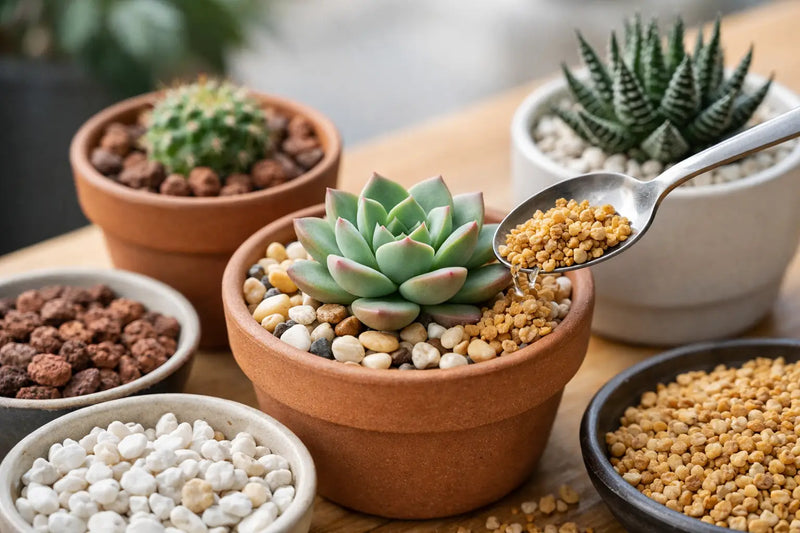
Cacti and succulents want fast drainage, usually a shallow-to-moderate pot depth, and a mix with mineral grit or other coarse ingredients. A drainage hole is the standard. If the plant lives outside where rain can hit it, make sure the hole is large enough to handle an actual downpour, not just a polite indoor watering.
Tropical houseplants vary. Aroids, philodendrons, hoyas, and many palms still benefit from drainage, but they usually prefer a mix that holds more moisture than a cactus blend. Their pots can be slightly roomier and deeper, as long as you do not jump several sizes up at repotting time. Too much unused wet soil around a small root ball is where trouble starts.
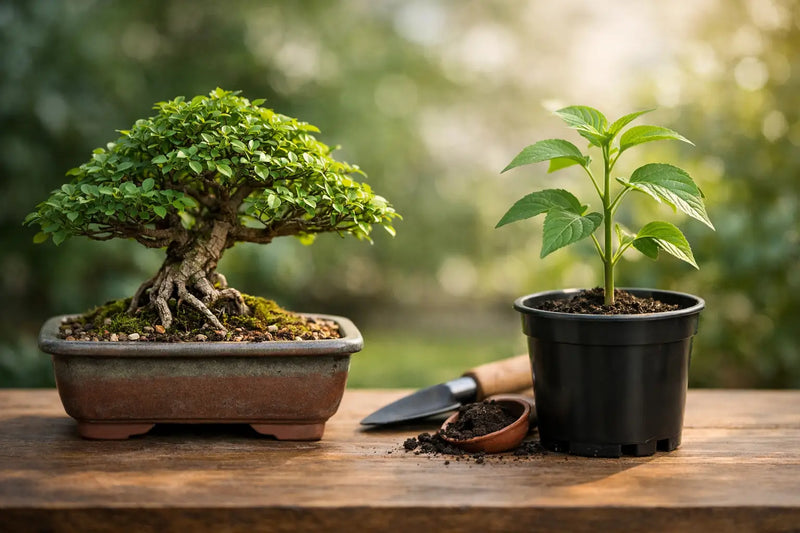
Bonsai need holes. Plural is common, and not just for water. Bonsai containers often use wire through the holes to secure the tree, while their free-draining substrate and shallow form help manage root health. A bonsai pot is not merely a miniature planter. It is part of the horticulture.
Humidity, light, season, and your home also change the answer. A drainage hole is even more valuable in a dim apartment where soil dries slowly. In a blazing, dry climate, a porous clay pot may dry so quickly that a thirsty plant needs more attentive watering. There is no single perfect pot, only a good match.
How to Water a Draining Pot Without Making a Mess
Water slowly until you see a little runoff, then let the pot finish draining before placing it back on its saucer or shelf. Empty excess water from the saucer after roughly 10 to 20 minutes. That gives the soil time to release what it does not need without leaving the bottom roots submerged.
For big planters that are annoying to carry, use a deep saucer and water carefully in smaller passes. Check it after a few minutes. If water collects, dump it. If your pot lives on a wood surface or vintage credenza, add a waterproof liner or use a properly sized saucer. Plant care should not end with a ring stain on the furniture you also spent too much time finding.
A pot that drains properly will not make you a perfect plant parent. You can still overwater by watering too often. Let the soil dry according to the plant's needs, then water deeply enough to reach the full root zone. Tiny daily sips often create weak, shallow roots and uneven moisture.
Before You Plant in That Handmade Pot
Give the vessel a quick reality check. Confirm whether it has a hole, make sure the hole is open, and choose a saucer that catches runoff without hiding it forever. Look at the pot's interior depth as well as its outside silhouette. That dramatic belly may hold far more soil than your tiny rooted cutting can use.
If the pot has no hole, decide upfront whether it will be a cachepot. There is nothing less glamorous than discovering the answer after the soil is already packed in and the plant has started protesting.
At The American Gringo, the best planters are never just containers. They are ceramic characters with a job to do. Pair one with the right soil, an open path for water, and a plant that suits its proportions. Then let the pot be loud, weird, refined, sunbaked, glossy, or gloriously imperfect while the roots stay dry enough to keep the whole show alive.
The best setup is the one you will actually maintain: a vessel you want to look at every day, a plant you understand, and a drainage plan that does not rely on hope.