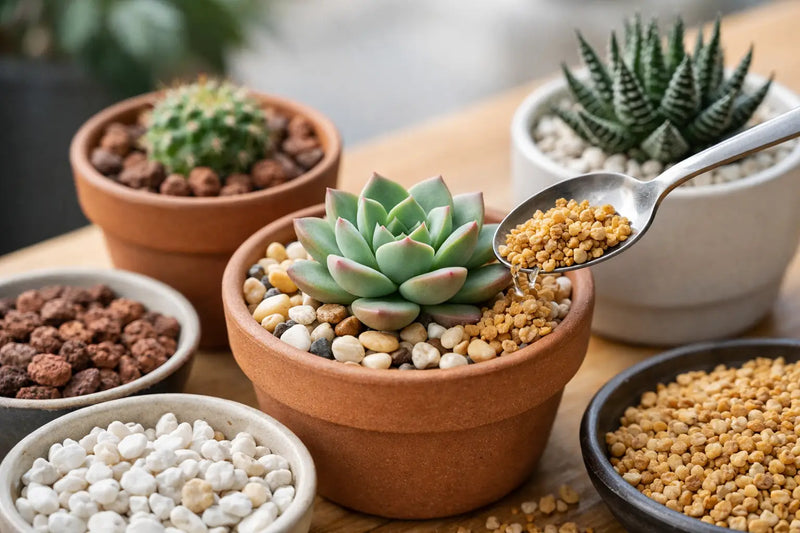
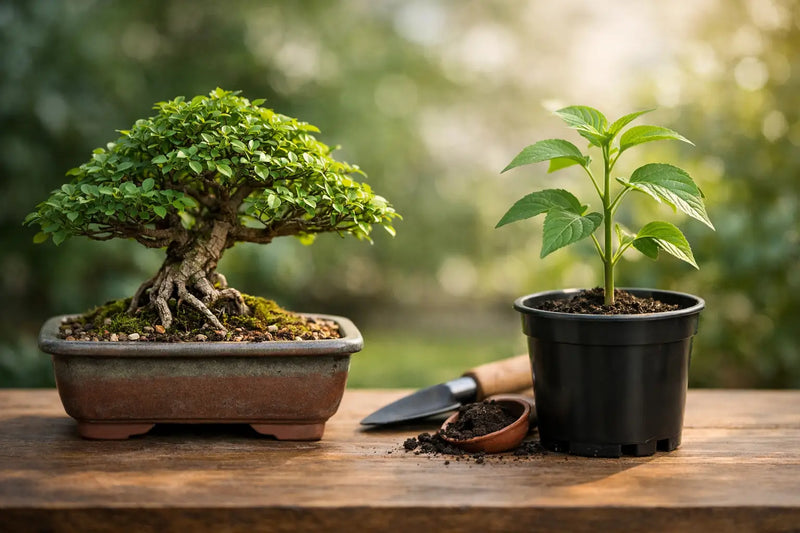
That handmade ceramic planter on your patio is not just holding a plant. It is holding hours of someone’s work, your good taste, and probably a cactus you’ve become weirdly attached to. Knowing how to protect pots in winter means protecting all three when freezing nights show up with zero respect for your setup.
Cold weather does not automatically mean every pot needs to move indoors. But water, freezing temperatures, and the wrong placement can turn a beautiful vessel into a cracked mess by spring. The goal is simple: keep excess water out, reduce temperature shock, and give both pot and plant the right kind of shelter.
Why pots crack in winter
Ceramic, terracotta, concrete, and stoneware all have one enemy in common: water trapped inside tiny pores. When that water freezes, it expands. Repeat that freeze-thaw cycle enough times and a hairline crack becomes a full-on pottery casualty.
Unglazed terracotta is especially vulnerable because it absorbs water easily. Low-fired ceramics can be at risk too, particularly if the maker has not labeled them frost-proof. Even a thick, heavy handmade pot is not automatically freeze-safe. Weight feels reassuring, but water absorption and firing temperature matter more than muscle.
Glazed ceramic usually has a better defense because its surface is less porous, but glaze is not a force field. Exposed clay at the drainage hole, rim, or foot can still take on moisture. A pot can also crack if wet soil freezes and expands against its walls from the inside.
The real troublemaker is rarely cold alone. It is saturated soil plus a hard freeze. Keep that combination from happening and you have already won half the battle.
How to protect pots in winter before the first freeze
Start with an honest inventory. Look at every container that will spend winter outdoors and ask three questions: Is it porous? Does it have drainage? Is the plant in it actually cold-hardy where I live?
If a pot is one-of-one, sentimental, especially thin, visibly crazed, or made from absorbent terracotta, bring it under cover. This is not being precious. This is refusing to let a killer planter become patio rubble. Store empty pots in a dry garage, shed, basement, or covered porch where they cannot collect rain or snow.
For planted containers, let the plant dictate the plan. A cold-hardy juniper bonsai needs winter dormancy, so a heated living room is not the answer. A tender euphorbia, tropical houseplant, or soft succulent may need to come inside long before the first freeze. Many hardy cacti and succulents can take serious cold, but only when their roots stay dry. A wet cactus in freezing weather is a very different creature than a dry cactus in freezing weather.
Check the drainage hole while you are at it. Remove packed soil, old roots, or decorative rocks that are blocking the exit. Winter is not the season for standing water. If your pot sits inside a decorative cachepot with no hole, pull the nursery pot out after watering so it does not soak in its own runoff.
Lift pots off cold, wet surfaces
A pot sitting directly on a concrete patio stays wetter and colder than one with airflow beneath it. The drainage hole can seal against the ground, rainwater has nowhere to go, and the base may sit in a puddle through a freeze.
Use pot feet, bricks, cedar blocks, or a purpose-built riser to lift containers slightly. You do not need a dramatic platform. An inch of clearance can make a real difference by allowing water to drain and air to move below the pot.
Skip the temptation to use a saucer outdoors in winter. Saucers are great for protecting indoor floors, but outside they can become little ice trays. If you must use one for a short stretch, empty it after rain and before freezing temperatures arrive.
Grouping pots together also helps. Containers clustered near a wall create a slightly more protected pocket than isolated pots scattered across an exposed deck. Place the most delicate pieces toward the middle of the group, and let larger, tougher containers take the outside position.
Pick a sheltered spot, not a fake safe spot
Moving pots under an eave is smart only if they still get the light and airflow their plants need. A covered porch can be ideal for dormant succulents, hardy cacti, and empty ceramics because it blocks rain and snow. It may be a bad fit for a sun-hungry plant that will spend months in dim shade.
A south- or west-facing wall can soften nighttime cold and offer brighter winter light. Just watch for the swing. Pots against masonry may warm quickly in afternoon sun, then drop hard after sunset. Most established outdoor plants can manage normal fluctuations, but a newly potted specimen or a barely hardy plant may need more protection.
Avoid low spots where cold air settles. Keep pots away from rooflines that dump snow, ice, or gallons of cold water in one dramatic avalanche. Also avoid placing handmade ceramics beside a heat vent or fire pit, where rapid temperature changes can be as rude as a freeze.
Insulate the roots without trapping water
The roots are generally less cold-tolerant in a container than they would be in the ground. Soil in a garden bed is buffered by a huge mass of earth. Soil in a pot is exposed on every side, which means it freezes much faster.
For plants that need to stay outdoors, wrap the outside of the container with burlap, frost cloth, old blankets, or bubble wrap, then secure it loosely. The wrap should cover the pot body, not choke the drainage hole. For a cleaner look on a front porch, slip the planted pot inside a larger weather-resistant container and pack dry leaves, straw, or shredded paper between the two walls.
Do not line the inside of a pot with plastic as a winter fix. It can interfere with drainage and keep the root zone too wet. The same goes for wrapping a pot so tightly that rain sneaks in from the top but cannot evaporate from the sides.
Mulch over the soil surface can help moderate root temperatures. Pine bark, straw, or dry leaves work well around hardy perennials and small shrubs. Keep mulch a little away from the stem or trunk so moisture is not sitting directly against plant tissue.
Water less, but do not abandon your plants
Winter watering needs a lighter hand. Plants grow slowly in cool conditions, evaporation drops, and wet soil lingers longer. Before watering, check several inches down in the pot instead of trusting a dry-looking surface.
Hardy outdoor plants still need water during dry winter stretches, especially if they are under a covered area that rain cannot reach. Water earlier in the day, when temperatures are above freezing, so excess moisture has time to drain before night. Never water a frozen root ball. Wait for a thaw.
For dormant cacti and many succulents, the winter playbook is gloriously simple: keep them dry. If they are protected from precipitation and the soil was allowed to dry before cold weather, many can handle low temperatures far better than people expect. But know your plant. A desert cactus, a tropical holiday cactus, and a tender rosette succulent do not share the same cold limits.
Know which pots should come inside
Some pieces deserve a no-debate indoor winter. Bring in pots that are unglazed or highly porous, have existing cracks, are made with unknown clay or firing methods, or are simply too special to gamble with. Empty them, brush away soil, and let them dry completely before storage.
If you cannot bring them inside, at least get them under a roof. Turn empty pots upside down on a shelf or pallet so rain cannot pool inside. Do not leave them upside down directly on soil or grass, where they can still absorb ground moisture.
For collectible handmade planters, the safest move is often to keep the art indoors and let a more weather-tough vessel handle the patio shift. There is no shame in seasonal rotation. In fact, it gives your interior plant shelf a fresh look while your outdoor setup gets practical for a few months.
A quick cold-snap routine
When a surprise freeze is on the forecast, do not panic-water or drag every container through the house at midnight. Check that drainage is clear, move vulnerable pots under cover, and lift anything sitting in standing water. For tender plants that cannot come indoors, use frost cloth over the foliage and insulate the pot body.
Avoid plastic touching leaves overnight. It can trap condensation and transfer cold right where you do not want it. If plastic is your only option, create a loose tent with stakes or a frame and remove it once temperatures rise.
Winter care is not about turning your patio into a bunker. It is about making a few sharp moves before water freezes where it should not. Keep the roots appropriately dry, give your best ceramics a roof or a winter vacation, and let the real pricks make it to spring looking exactly as good as they did in October.