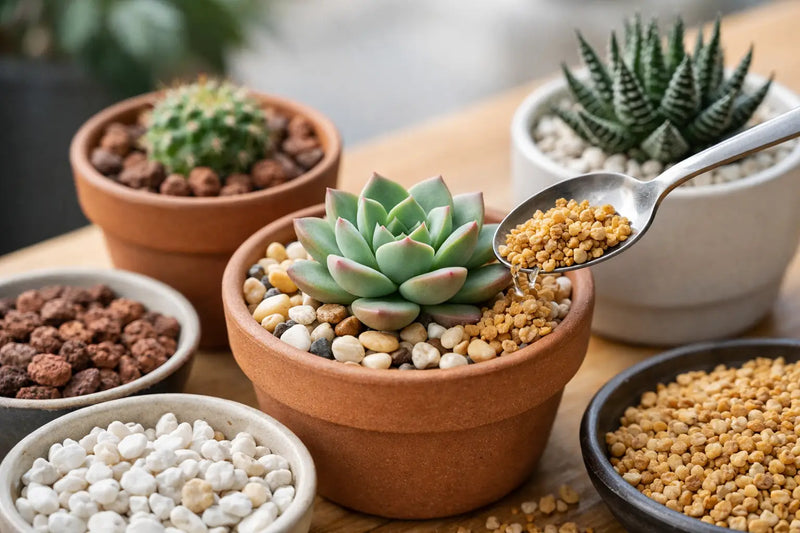
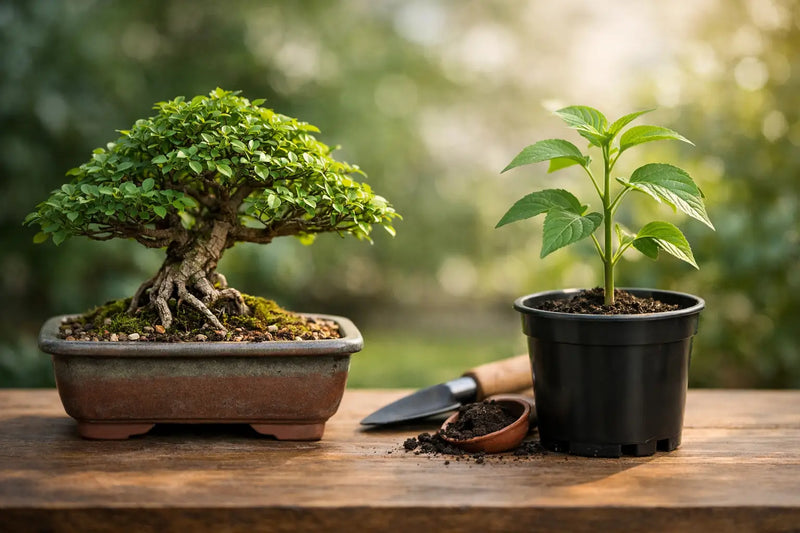
A good pot deserves better than bare dirt. Whether you have a spiky little cactus, a bonsai with main-character energy, or a dramatic aroid taking over the living room, decorative gravel gives the planting a finished, intentional look. Knowing how to use decorative gravel is less about following a fussy rulebook and more about choosing the right stone, placing it where it earns its keep, and not suffocating your plant in the process.
The best part? Gravel is one of those rare plant accessories that can work hard and look ridiculously good doing it. It can frame a handmade ceramic planter, help keep soil from splashing around, create contrast against foliage, and bring a little desert-floor texture to a shelf, patio, or plant cabinet. No fake moss. No plastic shine. No other BS.
How to Use Decorative Gravel as a Top Dressing
For most houseplant people, top dressing is the move. This means adding a visible layer of gravel across the surface of the soil after the plant is potted. It is the easiest way to sharpen up a container and make your plant look like it belongs in a considered space rather than a nursery pot rescue mission.
Start with a healthy, properly potted plant. The soil below should already suit the plant’s needs. Decorative gravel is not a substitute for a gritty cactus mix, airy aroid soil, or a properly draining bonsai substrate. It is the finishing layer, not the foundation.
Spread gravel in a layer roughly one-quarter to one-half inch deep. Small pots need less. A chunky statement vessel can handle a little more. Keep the layer relatively even, but do not press it down hard like you are paving a driveway. Water still needs to enter the soil, and the root zone needs air.
Leave a little breathing room around the base of the plant, especially with succulents, cacti, snake plants, and anything prone to rot. Gravel packed against a crown or stem can hold moisture exactly where you do not want it. The goal is a clean visual frame, not a damp collar of doom.
Top dressing is particularly good for plants that live in handmade ceramics. A strong glaze, a rough clay body, or an illustrated pot already has personality. Pick gravel that supports the vessel instead of competing with it. Creamy pea gravel can calm down a loud pot. Dark lava rock makes pale clay and bright green foliage hit harder. Black polished stone can look slick, but use it with restraint unless you are actively going for a high-gloss, dramatic setup.
Pick stone for the plant and the pot
Color matters, but texture matters just as much. Fine gravel reads polished and quiet. Chunkier rock feels more wild, mineral, and sculptural. For desert plants, pumice, lava rock, decomposed granite, and natural river gravel tend to make sense visually. For tropicals, small river stone, muted quartz, or darker gravel can add contrast without making the pot look like a tiny xeriscape.
The stone should also be scaled to the planter. Tiny gravel in a large bowl can disappear into visual static. Giant rocks in a two-inch pot can make the whole thing look like a construction site. As a general vibe check, use finer material for smaller plants and containers, then move toward chunkier stones as the pot gets wider and the plant gets bolder.
If your ceramic has a drainage hole, celebrate. Decorative gravel looks best when it is not being asked to solve a problem that proper drainage should solve. A planter without drainage can still be used as a cachepot, with a nursery pot inside, but do not turn gravel into a false promise that excess water has somewhere safe to go.
Use Decorative Gravel to Keep Soil Where It Belongs
Top dressing has a practical side beyond looking sharp. It can reduce soil splatter when watering, especially with loose, gritty mixes. It also helps keep lightweight soil components from floating up or spilling over the rim. That is useful for succulents, cacti, and bonsai-style plantings, where the soil mix often contains pumice, bark, perlite, or grit that loves to escape.
A gravel layer can also discourage curious pets from digging. It is not foolproof. A determined cat has plans. But a heavier top layer can make the soil less inviting than an open pot full of fluffy dirt.
For outdoor containers, gravel helps keep rain from beating directly into exposed soil and can make a patio planting look more finished between waterings. Just do not assume it prevents weeds or fixes soggy roots. If rain is consistently soaking the container, drainage holes and a fast-draining mix are still the real heroes.
Decorative Gravel in Cactus and Succulent Planters
Cacti and succulents are where decorative gravel gets to show off. These plants naturally pair with mineral textures, and a well-chosen top dressing can make a simple prickly plant feel like a tiny landscape.
Use a dry, clean gravel that will not break down quickly. Lava rock, pumice, crushed granite, and coarse sand-like grit are all solid options. Lighter-colored stone can brighten a moody corner, while black lava rock brings contrast to silver echeverias, blue agaves, and pale ceramic glazes.
Be careful with plants that need frequent watering or are planted in dense soil. A thick decorative layer makes it harder to see whether the soil underneath is dry. Before watering, check below the gravel with a finger, moisture meter, or a wooden chopstick. If you cannot read the soil, you are watering blind, and real pricks do not need that kind of chaos.
For a cactus bowl, vary the material slightly without creating a miniature theme park. Two textures are usually enough: perhaps dark lava rock around the plants and a few larger pale stones for contrast. The pot should still be the star, especially if it is handmade. Think gallery pedestal, not souvenir shop diorama.
Gravel Is Not a Drainage Layer
Let’s kill one old gardening myth while we are here: putting gravel in the bottom of a pot does not improve drainage. It actually reduces the amount of soil available for roots and can leave water sitting above the gravel layer. If the pot has no drainage hole, gravel at the bottom does not make it safe for direct planting.
Instead, use a planter with drainage, match the soil to the plant, and use decorative gravel on top if you want that clean finish. If you have fallen for a ceramic piece with no hole, use it as a cover pot. Keep the plant in a plastic nursery pot, take it out to water, let it drain fully, then return it to the ceramic vessel. Your roots will be happier, and your art-pot investment will not become a swamp.
Build Contrast Without Making It Busy
The best plant styling has a little tension. Smooth leaves against rough stone. A matte black pot with pale gravel. A weathered clay planter with glossy dark pebbles. The trick is choosing one focal point and letting everything else support it.
If the pot is highly detailed, go simple with the stone. If the vessel is minimal, gravel can add the texture. If your plant has loud variegation, skip multicolored decorative rocks. Those bright mixed bags can work in a kid’s fairy garden, but they can also make an incredible handmade planter look like it lost a fight with a craft aisle.
For a more collected look, repeat one stone color across a few different planters rather than using a different material in every pot. That small bit of repetition makes a plant shelf feel curated, even when the plants themselves are wildly mismatched. And frankly, a little controlled chaos is part of the fun.
Care for Gravel Like Part of the Planting
Decorative gravel eventually collects dust, fertilizer residue, fallen leaves, and the occasional mystery spill. Every few months, gently brush off debris with a soft paintbrush or blow it out with a bulb blower. For deeper cleaning, remove the gravel before repotting, rinse it thoroughly, and let it dry before reusing it.
Watch for white crust on the surface. That is often mineral buildup from tap water or fertilizer, not a sign that your gravel has betrayed you. Remove the affected top layer, flush the soil if the plant can handle it, and consider filtering your water or reducing fertilizer strength.
A distinctive planter, a plant with actual character, and the right gravel are a small styling decision with oversized payoff. Let the stone finish the scene, keep the roots in conditions they actually like, and make every pot on the shelf look chosen on purpose.