A top dressing can make a $12 nursery plant look like it belongs in a handmade ceramic pot worth staring at. But lava rock versus gravel toppers is not just a style debate. The wrong material can hold too much moisture at the soil surface, scatter all over your shelf, or visually fight with a pot that already has plenty to say.
For cacti, succulents, bonsai, and collector plants, the best topper is the one that complements both the plant’s care needs and the vessel. Think of it as the finishing move, not an afterthought. You are framing a living sculpture.
Lava Rock Versus Gravel Toppers: The Real Difference
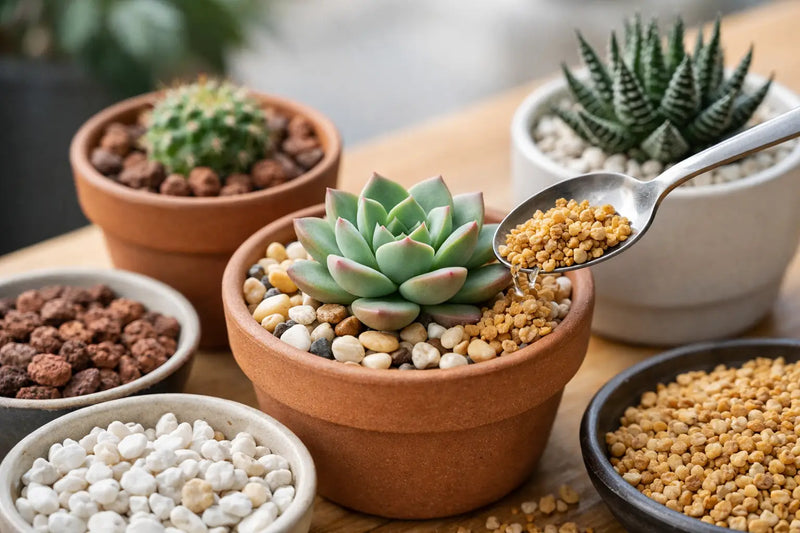
Lava rock is porous volcanic stone with a rugged, cratered texture. It is usually lightweight for its size and comes in shades of black, charcoal, red, and brown. Gravel is a broader category. It can mean smooth river pebbles, crushed granite, pea gravel, polished stone, aquarium gravel, or angular landscape rock. Its look and performance depend heavily on the specific material.
The biggest practical difference is porosity. Lava rock has tiny pockets throughout the stone, while many gravel options are dense and nonporous. That does not mean lava rock magically fixes bad soil or a pot without drainage. No topper can pull off that miracle. But it can affect how quickly the top layer dries, how easy a pot is to move, and whether water travels cleanly into the soil.
Visually, lava rock is all texture and attitude. It works especially well with spiky cacti, gnarly caudex plants, dark-glazed ceramics, and pots with an earthy, handmade finish. Gravel can go cleaner, softer, sharper, or more polished depending on the grade. It is the better chameleon when you want to match a pale stoneware pot, a minimalist interior, or a precise bonsai presentation.
When Lava Rock Is the Better Move
Lava rock earns its place when you want a dramatic surface without loading a pot down with a bunch of weight. This matters with larger handmade planters, wall shelves, and plants that get moved outside for the season. A dense layer of river rock can make an already substantial ceramic pot feel like a gym membership.
Its rough surface also looks natural around desert plants. A black lava top dressing makes blue agaves, silver echeverias, white-spined cacti, and weird little euphorbias hit harder. Red lava rock brings warmth to unglazed terra-cotta, brown clay bodies, and warm-toned glazes. It has that volcanic, slightly feral character that keeps an arrangement from looking too precious.
Because lava rock is porous, it tends to avoid the slick, wet-looking surface you can get with polished pebbles after watering. That can be useful for plants that dislike staying damp around the crown, including many succulents and cacti. Still, use a modest layer. A thick blanket of any top dressing can slow evaporation from the soil surface, especially in low-light homes or humid rooms.
Lava rock is not flawless. The lighter pieces can float or shift during a heavy watering, particularly if you water fast from above. Fine grades can cling to potting mix when you repot. And some lava rock sheds dust, so rinse it before it goes near a clean ceramic rim or a pale rug. Real plant people know that “I’ll rinse it later” is how red grit ends up everywhere.
Best uses for lava rock
Use lava rock for cactus bowls, succulent arrangements, arid-climate bonsai, and statement plants in textured or dark-bodied pottery. It is also a smart pick when a pot needs a lighter finishing material, or when you want a surface that looks raw rather than overly landscaped.
When Gravel Makes More Sense
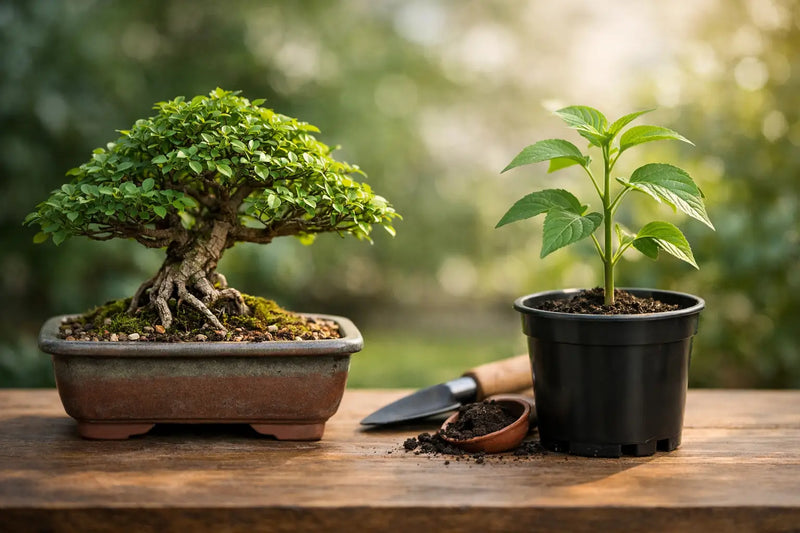
Gravel wins when you want control. A consistent, clean gravel grade creates a composed surface that can make even a chaotic plant look intentional. Think small-leaf bonsai, Haworthia collections, alpine-style plantings, or a single specimen staged in a refined handmade planter.
Fine angular gravel often nests together more securely than chunky lava rock. It is less likely to bounce out when you carry a pot, and it can help hold loose soil in place around a newly planted root ball. For bonsai, that tidy stability is a real advantage. A carefully selected neutral gravel also lets a remarkable pot glaze stay in charge rather than turning the surface into a rock show.
Dense gravel has trade-offs. It is heavier, which adds up fast in large planters. Smooth pebbles can look beautiful but may read more spa display than desert habitat if the plant and pot have a tougher personality. Some inexpensive decorative gravel is dyed or coated, which can fade, chip, or look downright cursed after a few waterings. If the color seems too perfect, be suspicious.
Avoid gravel with sharp dust, unknown chemical coatings, or salt residue. Rinse any new stone thoroughly, even if the bag claims it is clean. If you are topping an edible plant, stay with clearly horticultural or natural stone products rather than mystery decor gravel.
Best uses for gravel
Choose gravel for bonsai, polished tabletop arrangements, plants in bright modern interiors, and pots with delicate glazes or clean silhouettes. It is also ideal when you want a subtle tonal match: cream gravel with ivory clay, dark granite with a smoky black glaze, or warm tan stone with a sandy cactus mix.
What a Topper Can and Cannot Do
Here is the part nobody wants to hear: a top dressing does not create drainage. Drainage comes from a hole in the pot, an appropriate potting mix, and watering habits that match the plant and the conditions. Putting a layer of rocks at the bottom of a container does not improve drainage either. It can create a perched wet zone above the rock layer, which is exactly the kind of nonsense a rot-prone succulent does not need.
A topper does have useful jobs. It can keep lightweight soil from splashing out, disguise exposed potting mix, reduce fungus gnat access to the soil surface, and make the planting feel finished. It can also keep certain low-growing leaves or cactus pads from resting directly on damp mix. Those are real benefits, just not superhero benefits.
If fungus gnats are the concern, use a thin, even layer of dry mineral top dressing and address the underlying moisture issue. Letting the potting mix dry appropriately, improving airflow, and avoiding constant top-offs of water matter more than piling on an inch of decorative stone.
Match the Stone to the Plant, Pot, and Watering Style
For most houseplants, a layer around one-quarter to one-half inch is enough. Use a finer grade for small pots and delicate plants, and a chunkier grade for big cacti or bold vessels. Keep the material off the plant’s crown and avoid burying stems. A topper should look intentional, not like the plant got caught in a tiny landslide.
If you bottom-water, either lava rock or gravel can work beautifully because the surface stays relatively undisturbed. If you top-water with a strong stream, gravel is often the more stable option. With lava rock, water slowly around the edge of the pot or use a narrow-spout can so you do not launch little volcanic pebbles across the room.
Color matters more than people admit. Black lava makes lime-green foliage pop. Pale gravel brings out moody blue-green succulents. Red lava can make a plain clay pot feel ancient and sunbaked. But do not match everything too perfectly. A handmade pot has variation, texture, and a point of view. Let the stone support that energy instead of flattening it.
A Better Rule Than Picking a Side
There is no universal winner in lava rock versus gravel toppers. Lava rock is lighter, rougher, and better for an arid, volcanic look. Gravel is steadier, more tailored, and easier to coordinate with polished plant styling. The right choice depends on whether your plant needs a little desert drama, a clean gallery finish, or simply a surface that will stay put.
Start with the pot. A great handmade vessel should never disappear under a generic layer of shiny pebbles. Choose a topper that gives your plant a stage, respects the root zone, and makes you want to look at the whole piece one more time. That is the good stuff.