A naked soil surface can make even a killer handmade planter look unfinished. But grabbing the nearest bag of pebbles is how people end up with a soggy cactus, a crusty pot rim, or a top dressing that fights the vessel instead of making it hit harder. This soil topper selection guide is for choosing the finishing layer that gives your plant setup the right look without pulling any nonsense on plant health.
A topper is not just decorative gravel. It changes how the soil surface dries, how clean your pot looks, how easy it is to water, and how much visual attention goes to the plant versus the ceramic. Get it right and your pot looks gallery-ready. Get it wrong and your favorite real prick is sitting in a tiny swamp under a pile of cute rocks.
Soil Topper Selection Guide: Start With the Plant
The plant gets the final vote. Always. A top dressing sits directly over the soil, so it can slow evaporation, trap organic debris, or keep the surface loose and airy depending on the material. That is a bigger deal in a small planter, where one heavy watering can change conditions fast.
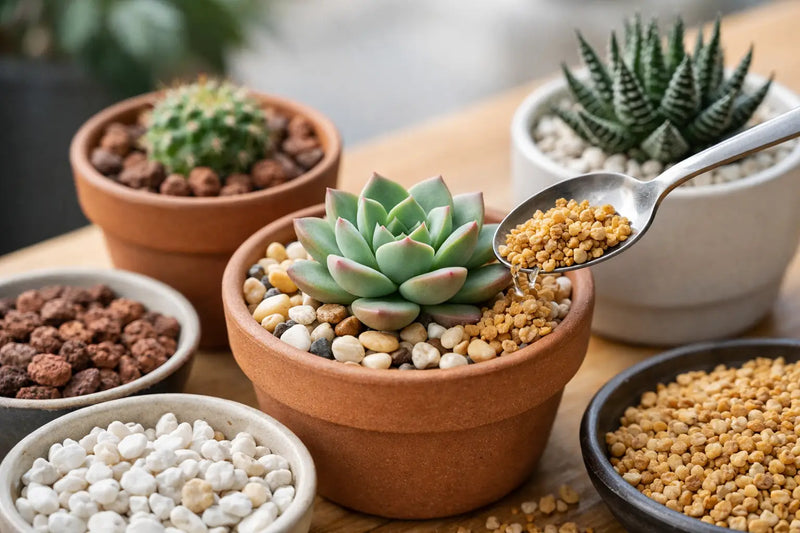
For cacti and most succulents, mineral toppers are usually the move. Pumice, lava rock, coarse grit, crushed granite, and small pebbles look sharp while keeping the top layer open. They also help keep fleshy leaves away from damp potting mix, which matters for plants that would rather be dry than pampered to death.
Tropical houseplants can handle more options, but the choice still depends on how thirsty the plant is and how much light it gets. A thin layer of small stone can look clean on a philodendron or hoya, especially in a statement pot. Just do not pile it on so thick that you cannot tell whether the soil needs water. If the plant already lives in lower light or a humid room, use a lighter layer or skip the topper altogether.
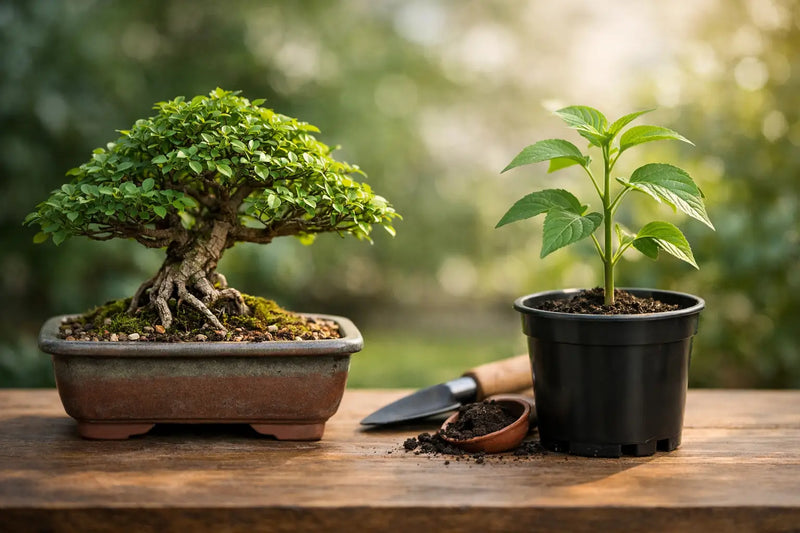
Bonsai calls for a more intentional finish. The surface dressing should look proportional to the tree and should not hide the contour of the root flare. Fine akadama-like particles, small lava, decomposed granite, or a restrained moss treatment can create that old-world, collected look. Huge white rocks around a refined bonsai trunk? Hard pass.
Dry-Loving Plants Need Air, Not a Blanket
Cactus and succulent collectors often choose a topper because it gives a planting that finished desert-scape energy. The trick is matching particle size to the pot and plant. Tiny offsets in a two-inch planter need fine grit or petite pumice. A chunky rock layer can overwhelm them visually and hold the crown too tightly.
Use larger lava rock, river stone, or granite for bigger specimens in wider containers. Keep the layer shallow, usually around a quarter to half inch. A topper is the final brushstroke, not a second layer of soil.
Avoid dense, polished stones for plants that already struggle with moisture. They can make it harder to read the soil beneath and may keep the surface damp longer than you expect. If you are dealing with a fussy cactus, err toward angular, porous material with visible gaps.
Tropical Plants Can Go Textural
For foliage plants, the best topper may be one that adds contrast without hiding the soil completely. Dark lava rock against a pale ceramic pot creates drama. Light gravel in a dark clay vessel can make glossy leaves pop. Fine orchid bark can work for plants that appreciate airflow, though it breaks down over time and is more of a functional surface layer than a forever finish.
Moss is beautiful, but it is not neutral. Live moss prefers consistent moisture and humidity, while preserved moss is purely decorative and should stay out of the watering line. Either can be a vibe for a moisture-loving plant in the right setting. Neither belongs on a sun-blasted cactus that wants dry roots and zero spa treatment.
Let the Pot Lead the Look
A handmade planter already has a point of view. Maybe it has a glossy glaze that catches afternoon light, raw clay texture, weird sculptural feet, painted details, or an artist’s fingerprint baked into every inch. The topper should support that character, not cover it in generic big-box energy.
Consider color first, then texture. Black lava gives a moody, volcanic contrast and makes green plants look electric. Warm tan grit, ochre stone, and decomposed granite sit naturally with terracotta, desert palettes, and earthy glazes. White gravel gives clean modern contrast, but use it with intention. It can look crisp in a graphic vessel and wildly out of place in a weathered, handmade pot.
Texture matters just as much. Smooth river stones bring a softer, polished feel. Angular grit reads more natural and mineral-rich. Pumice has a pale, lightweight, almost lunar look that works especially well with unusual succulents and sculptural ceramics. If your pot is loud, choose a quieter topper. If the pot is minimal, a more expressive mineral surface can carry extra visual weight.
Scale is the detail people miss. A topper with rocks bigger than the plant makes the whole composition look accidental. In small pots, use fine particles. In larger vessels, mix modestly sized materials or choose a stone substantial enough to hold its own without turning the surface into a landscaping project.
Choose Materials That Do More Than Look Pretty
Not every attractive material belongs in a planter. The best choices balance style, drainage awareness, and easy maintenance.
Pumice and Lava Rock
These are collector favorites for good reason. Both are porous, lightweight, and visually interesting. Pumice is usually lighter in color and can brighten a planting without looking fake. Lava rock brings darker drama and a rougher surface. Both suit cacti, succulents, and bonsai-style plantings where airflow is part of the assignment.
Granite, Grit, and Small Gravel
Crushed granite and horticultural grit offer a tidy, grounded finish. They are especially good when you want a natural look that does not compete with a handmade planter. Small gravel can work for many plants, but check that it is clean and free of fine dust before using it. Dust packs down, looks muddy after watering, and is nobody’s idea of a good time.
River Rock and Polished Stone
Smooth stones can look great in a decorative setup, particularly with larger tropical plants. Their downside is density. They are heavy, can hide wet soil, and may make a small pot harder to move. Use them in a thin layer, especially if your planter is already substantial ceramic work.
Moss and Organic Finishes
Moss, bark, and coco chips add softness that stone cannot. They can make a plant feel forest-floor lush, which is perfect for certain bonsai, ferns, and humidity-loving tropicals. They also retain moisture and eventually need replacing. If your plant prefers to dry quickly, this is not the place to get sentimental.
Skip glued-in pebbles, dyed decorative mulch, and unknown craft-store rocks that may leach color or break down. A topper should make plant care easier or at least neutral. If it creates mystery, mess, or root problems, it is just expensive clutter.
Apply a Topper Without Wrecking Your Setup
Add the topper after the plant is settled and watered in. Make sure the pot has a drainage hole, because a beautiful surface treatment cannot rescue a container with nowhere for excess water to go. At The American Gringo, the pot may be the art, but drainage is still the grown-up part of the conversation.
Keep the material away from the stem or crown of the plant. This is especially critical for succulents, cacti, and plants prone to rot. Leave a small breathing ring around the base, then spread the topper evenly across the remaining surface.
Do not bury the soil under an inch of rock just because it looks dramatic in a photo. Start thin. You can always add more, but removing gritty material from around delicate roots is a tedious little punishment. After topping, water slowly the first few times and watch how the soil dries. Your plant will tell you whether the new setup is working.
Know When to Leave the Soil Alone
Sometimes the best topper is no topper. Freshly rooted cuttings, recovering plants, pest-prone plants, and anything you are monitoring closely may be better off with visible soil. Seeing the surface helps you spot fungus gnats, mold, moisture issues, and root movement before they become a whole situation.
If you love the finished look but need visibility, use a very light scattering of pumice or grit rather than a solid blanket. You still get the polished composition, and you can check the soil without excavating your plant like an archeological site.
A great topper does not steal the scene. It frames the plant, respects its care needs, and makes that handmade pot look even more like the one-of-one object you bought it to be. Choose with a little restraint, keep an eye on how your soil dries, and let the whole setup look intentional as hell.