A patio planter has to survive more than a cute photo. It gets baked by July sun, soaked by surprise storms, bumped by chairs, and judged from across the yard. This patio planter material guide is for choosing a vessel that looks killer with your plants and can handle the particular chaos of your outdoor space.
For collectors, the answer is rarely just buy the toughest pot. A handmade ceramic planter can make a prickly little cactus feel like an actual art object. A weathered terracotta bowl can give a patio instant desert-garden character. The move is knowing what each material asks of you before you load it with soil and wish it luck.
Patio Planter Material Guide: Start With Your Conditions
Before falling for a silhouette, clock the conditions. Is the planter going into brutal afternoon sun, under a covered porch, beside a pool, or on an exposed balcony that catches every winter freeze? Are you planting a thirsty fern, a sun-loving agave, a bonsai, or a squad of succulents that would prefer you stop watering them already?
Weight matters too. A massive ceramic pot is a beautiful commitment once filled. On a rooftop or apartment balcony, confirm the weight limit and plan for mobility. On a ground-level patio, heft can be a feature: heavy planters are harder to tip when wind, dogs, or enthusiastic guests enter the chat.
The non-negotiable is drainage. Decorative containers are fine for cachepot duty indoors, but outdoor plants need a path for excess water to leave. Without a drainage hole, a rainstorm can turn a gorgeous planter into a tiny root-rot aquarium. Use a saucer only when it makes sense for the surface beneath, and empty standing water after rain.
Ceramic: The Statement Piece With Real Plant Cred
Ceramic is the material for people who believe the pot deserves as much attention as the plant. Handmade pieces carry the maker's hand in the glaze, texture, firing marks, and small irregularities that factory-perfect containers never manage. Put a sculptural cactus in the right ceramic vessel and suddenly the whole patio has a point of view.
But ceramic is a broad category. High-fired stoneware and porcelain are generally denser and more weather-resistant than low-fired earthenware. A quality glaze adds protection and makes cleanup easier, while unglazed clay stays more breathable and develops a lived-in patina. Neither is automatically better. It depends on whether you want crisp color, tactile clay, and how much weather the pot will see.
Freeze-thaw cycles are the big ceramic buzzkill. When water enters porous clay or a tiny hairline crack, freezes, and expands, breakage can follow. If your winters freeze hard, choose frost-resistant pieces when available, elevate pots slightly so water can drain freely, and move treasured handmade planters into shelter before repeated deep freezes. A covered garage, shed, or protected porch is a lot cheaper than replacing a favorite pot.
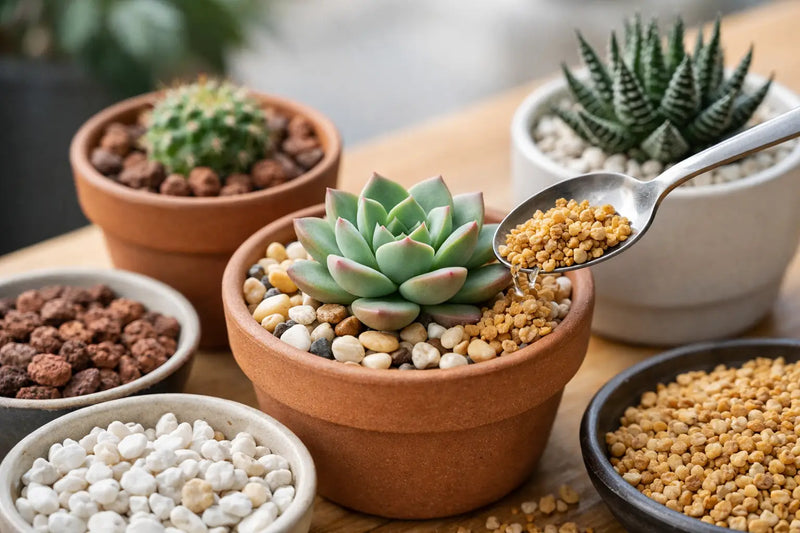
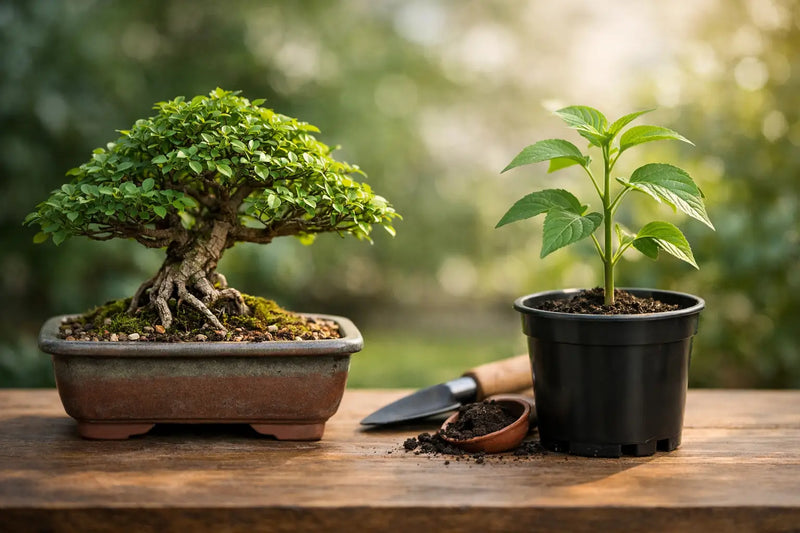
For cactus, succulents, and bonsai, ceramic is excellent when the pot has drainage and the soil mix matches the plant. A shallow handmade bowl can be perfect for bonsai or clustered succulents. For a fast-draining cactus mix, the pot should support your watering habits, not force you into plant-parent repentance every weekend.
Terracotta: Classic, Breathable, and Never Too Polished
Terracotta has earned its place. The warm orange clay plays well with silver foliage, blue-green agaves, and anything spiny enough to look mildly offended. It also has a porous surface, allowing moisture to evaporate through the pot wall. That can be a gift for plants that hate sitting wet.
The trade-off is that terracotta dries out faster, especially in blazing sun and windy spots. A thirsty tropical planted in small unglazed terracotta may need water constantly. Succulents, herbs, lavender, and many cacti tend to appreciate the airflow, provided their light and soil are right.
Expect mineral deposits, darkening, and a little grime over time. That is not failure. It is patio character. If you want a spotless, color-saturated finish all season, terracotta may test your patience. If you like a planter that looks better after it has survived a few summers, it has your number.
Like other clay pots, standard terracotta can crack in freezing weather. Bring small pots in, protect special pieces, or accept that outdoor clay in cold climates needs a seasonal game plan. No other BS will change the physics.
Metal: Sharp Lines, Hot Roots
Metal planters bring a cleaner, more architectural energy. Powder-coated steel, galvanized steel, aluminum, and copper can look especially good against concrete, modern siding, or a patio full of graphic-leaved plants. They are often lighter than ceramic at larger sizes, though that varies wildly by construction.
The issue is heat. Dark metal in direct summer sun can get seriously hot, which raises root-zone temperatures and dries soil at a ridiculous pace. In extreme heat, use metal in part sun, choose lighter finishes, or set a nursery pot inside a larger metal cachepot with airflow around it. That inner pot setup also makes seasonal plant swaps painless.
Aluminum resists rust well, while steel needs a good finish or a willingness to embrace a weathered look. Galvanized planters can last, but check seams and drainage. Copper develops a dramatic patina, though it is usually best used as a decorative outer vessel rather than a direct planting container unless it is properly lined.
Wood: Warm, Casual, and Worth the Maintenance
Wood planters bring softness to patios full of stone, stucco, and metal furniture. Cedar and redwood are popular because they naturally resist decay better than many woods. A well-built wood planter can make a patio feel less staged and more like somewhere people actually hang out.
Wood does require attention. Constant moisture at the base speeds deterioration, so drainage and feet or risers matter. A planter liner can help protect the wood, but do not create a sealed swamp between the liner and the planter. Use exterior-safe materials and avoid treatments that could leach into edible plants if you are growing herbs or vegetables.
Wood is usually a strong option for larger groupings, raised designs, and casual patio borders. It is less ideal when you want a highly collectible, one-off object with glazed color and ceramic presence. Different jobs, different flex.
Concrete, Fiberglass, and Composite: Big Visuals Without the Fragility
Concrete has serious presence. It suits oversized grasses, olive trees, sculptural euphorbia, and plants that need a base with some visual muscle. It is also heavy, porous, and can be prone to cracking in freeze-thaw climates if water collects. Sealers may help, but they are not a substitute for drainage and seasonal care.
Fiberglass and composite planters are the practical wild cards. They can mimic stone, concrete, or ceramic while staying far lighter, which makes them useful for balconies and frequent rearrangers. Quality varies. Cheap versions can fade, bow, or look like they are trying too hard to be something else. Better pieces have convincing texture, substantial walls, and UV-resistant finishes.
These materials are often smart for giant planters that would be wildly impractical in solid clay. Save the heavy handmade ceramic for the specimen plant, the special corner, or the piece you want guests to ask about. Let fiberglass handle the large-scale support act.
Match the Material to the Plant, Not Just the Patio
A plant's needs should steer the final choice. Succulents and cacti generally like breathable clay or ceramic with a drainage hole and gritty mix. Tropical plants can thrive in glazed ceramic, composite, or wood planters that hold moisture a little longer. Bonsai often need shallow, stable ceramic containers sized to the tree's roots and visual balance, not simply the biggest pot available.
For any material, do not overpot. A container that is dramatically larger than the root ball holds extra wet soil, which is rough on plants that prefer to dry between waterings. Choose enough room for growth, then let the plant and container develop their own relationship.
At The American Gringo, we are partial to the kind of handmade ceramic that gives a plant real stage presence. Still, the best patio pot is not always the loudest one. Pick the material that can live where you live, give the roots proper drainage, and make you look twice when you step outside with your coffee.